

Introduction
In the world of architecture and interior design, the use of cultured stone has become increasingly popular in recent years. Cultured stone, also known as manufactured stone or faux stone, is a lightweight and versatile alternative to natural stone that offers a wide range of design possibilities. One of the most exciting developments in the realm of cultured stone is the advent of custom options that allow homeowners and designers to create unique and personalized looks for their spaces.
This comprehensive guide will explore the world of custom cultured stone, including its benefits, applications, design options, installation process, maintenance tips, and more. Whether you are considering incorporating custom cultured stone into your home or looking to learn more about this innovative building material, this article will provide you with all the information you need to make informed decisions.
Benefits of Custom Cultured Stone
Custom cultured stone offers a myriad of benefits that make it an attractive choice for homeowners and designers alike. Some of the key advantages of custom cultured stone include:
1. Versatility: Custom cultured stone comes in a wide range of colors, textures, and shapes, allowing for endless design possibilities. Whether you prefer a rustic, traditional, modern, or contemporary look, there is a custom cultured stone option to suit your style.
2. Cost-Effective: Custom cultured stone is more affordable than natural stone, making it a cost-effective choice for homeowners looking to achieve the look of stone without breaking the bank.
3. Lightweight: Custom cultured stone is lightweight and easy to install, making it a practical choice for both interior and exterior applications.
4. Durability: Custom cultured stone is durable and long-lasting, able to withstand the elements and maintain its appearance over time.
5. Eco-Friendly: Custom cultured stone is an environmentally friendly alternative to natural stone, as it is typically made from recycled materials and requires less energy to produce.
Applications of Custom Cultured Stone
Custom cultured stone can be used in a variety of applications to enhance the aesthetic appeal and value of a home. Some common uses of custom cultured stone include:
1. Exterior Facades: Custom cultured stone can be used to create stunning exterior facades that mimic the look of natural stone. Whether you are looking to add a touch of elegance to your home's exterior or create a striking focal point, custom cultured stone is a versatile option.
2. Interior Walls: Custom cultured stone can be used to accent interior walls, creating a warm and inviting atmosphere in living rooms, dining rooms, bedrooms, and more. Whether Faux stone veneer vs real stone veneer prefer a full accent wall or a smaller feature, custom cultured stone can add texture and visual interest to any space.
3. Fireplaces: Custom cultured stone is a popular choice for fireplace surrounds and mantels, adding a touch of sophistication and charm to any living room or den.
4. Outdoor Living Spaces: Custom cultured stone can be used to enhance outdoor living spaces such as patios, decks, and pool areas, creating a seamless transition between indoor and outdoor environments.
Design Options for Custom Cultured Stone
When it comes to custom cultured stone, the design options are virtually endless. From traditional to modern, rustic to contemporary, there is a custom cultured stone option to suit every style and preference. Some of the design options for custom cultured stone include:
1. Color: Custom cultured stone comes in a wide range of colors, from earthy browns and grays to bold reds and blues. Whether you prefer a subtle, neutral palette or a vibrant, eye-catching hue, there is a custom cultured stone color to match your vision.
2. Texture: Custom cultured stone can be manufactured with a variety of textures, including rough, smooth, stacked, and irregular finishes. The texture of the stone can significantly impact the overall look and feel of a space, adding depth and visual interest.
3. Shape: Custom cultured stone can be crafted into various shapes and sizes, allowing for creative and unique design possibilities. Whether you prefer traditional rectangular stones or irregularly shaped pieces, custom cultured stone can be tailored to your specific needs.
4. Patterns: Custom cultured stone can be arranged in different patterns, such as stacked, random, or herringbone layouts, to create a custom look that suits your style.
Installation Process for Custom Cultured Stone
The installation of custom cultured stone requires careful planning and attention to detail to ensure a successful outcome. While the exact installation process may vary depending on the specific product and application, the following steps are generally involved in installing custom cultured stone:
1. Surface Preparation: The surface where the custom cultured stone will be installed must be clean, dry, and free of debris. Any existing finishes, such as paint or wallpaper, should be removed to create a smooth and even substrate.
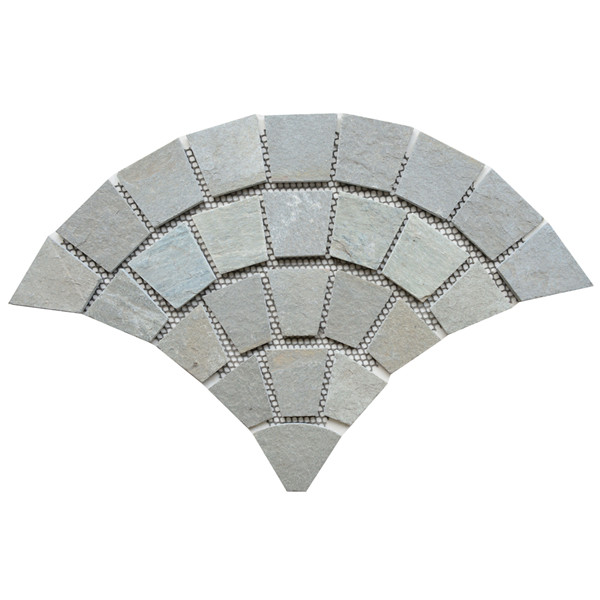
2. Waterproofing: In exterior applications, a waterproofing membrane may be applied to the surface to protect against moisture infiltration and ensure the longevity of the custom cultured stone.
3. Lath Installation: A metal lath is typically installed over the surface to provide a secure base for the custom cultured stone. The lath should be fastened securely to the substrate to prevent movement or shifting.
4. Mortar Application: A layer of mortar is applied to the lath using a trowel, creating a bed for the custom cultured stone to adhere to. The mortar should be spread evenly and allowed to set before proceeding to the next step.
5. Stone Placement: The custom cultured stone pieces are carefully placed on the mortar bed, ensuring proper alignment and spacing between each piece. The stones should be pressed firmly into the mortar to create a strong bond.
6. Grouting: Once the custom cultured stone pieces are in place, grout is applied between the joints to fill in any gaps and create a seamless look. The grout should be smoothed and cleaned to achieve a polished finish.
7. Sealing: To protect the custom cultured stone and enhance its longevity, a sealant may be applied to the surface. The sealant helps to repel water, dirt, and stains, keeping the custom cultured stone looking like new for years to come.
Maintenance Tips for Custom Cultured Stone
Proper maintenance is essential to ensure the longevity and beauty of custom cultured stone. By following these maintenance tips, you can keep your custom cultured stone looking its best for years to come:
1. Regular Cleaning: To prevent dirt, dust, and grime from building up on the surface of the custom cultured stone, it is essential to clean it regularly with a mild detergent and warm water. Avoid using abrasive cleaners or harsh chemicals that can damage the stone.
2. Sealing: Depending on the type of custom cultured stone, it may be necessary to reseal the surface periodically to maintain its protective barrier. Be sure to follow the manufacturer's recommendations for sealant application and reapplication.
3. Inspecting for Damage: Periodically inspect the custom cultured stone for any signs of damage, such as cracks, chips, or discoloration. Addressing minor issues promptly can help prevent more significant problems down the line.
4. Avoiding Harsh Chemicals: Avoid using acidic or abrasive cleaners on custom cultured stone, as they can damage the surface and compromise its integrity. Stick to mild, pH-neutral cleaners to protect the stone's finish.
5. Protecting from Impact: Custom cultured stone is durable but can be susceptible to impact damage from heavy objects or sharp tools. Take care when moving furniture or performing maintenance tasks near the stone to prevent accidental damage.
Conclusion
Custom cultured stone offers a versatile and cost-effective way to enhance the beauty and value of your home. With a wide range of design options, applications, and benefits, custom cultured stone is a popular choice for homeowners and designers looking to create unique and personalized spaces. By understanding the benefits, applications, design options, installation process, and maintenance tips for custom cultured stone, you can make informed decisions and enjoy the lasting beauty of this innovative building material in your home.